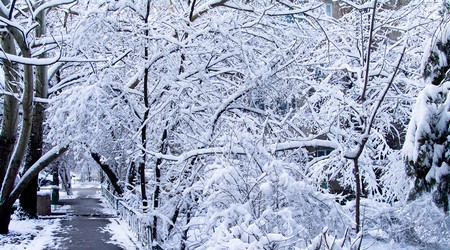
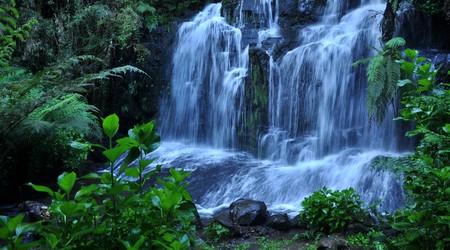
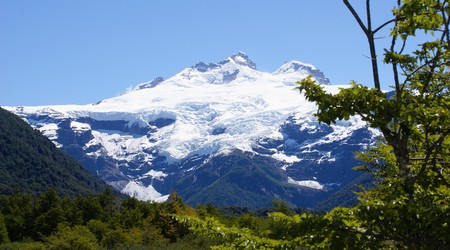
Rocky Mountains, North America

0 comments


Discover the Rocky Mountains: The Majestic Mountain Range of North America

Introduction to the Rocky Mountains

The Rocky Mountains, often referred to simply as the Rockies, are one of the most iconic mountain ranges in the world. Stretching more than 3,000 miles (4,800 kilometers) from northern British Columbia in Canada to New Mexico in the United States, the Rockies form the spine of North America. Known for their breathtaking peaks, diverse ecosystems, and abundant outdoor recreational opportunities, the Rocky Mountains attract millions of visitors every year.

In this article, we’ll explore the geography, geology, wildlife, attractions, and travel tips for experiencing the Rocky Mountains, making it a complete guide for nature lovers, adventure seekers, and travel enthusiasts.


Geography and Location

The Rocky Mountain range spans across five U.S. states — Montana, Idaho, Wyoming, Colorado, and New Mexico — and three Canadian provinces — British Columbia, Alberta, and Saskatchewan. The mountain range divides the continent into two major watersheds and plays a crucial role in the climate and ecology of North America.

Major Subranges of the Rockies

  • Canadian Rockies (British Columbia and Alberta)
  • Northern Rockies (Montana and Idaho)
  • Middle Rockies (Wyoming and northern Utah)
  • Southern Rockies (Colorado and New Mexico)

Each subrange offers distinct landscapes, elevations, and ecosystems, providing a rich variety of experiences for visitors.


Geology and Formation

The Rocky Mountains were formed between 80 and 55 million years ago during the Laramide orogeny — a period of mountain building caused by tectonic plate activity. Unlike older mountain ranges that have eroded over time, the Rockies remain rugged and dramatic, with several peaks exceeding 14,000 feet (4,270 meters) in elevation.

Some notable peaks include:

  • Mount Elbert (Colorado) – 14,440 feet (4,401 m) – the highest point in the Rockies
  • Mount Robson (British Columbia) – 12,972 feet (3,954 m)
  • Grand Teton (Wyoming) – 13,775 feet (4,199 m)

The Rockies are rich in natural resources like coal, natural gas, oil, and minerals, contributing to the economic development of the surrounding regions.


Biodiversity and Ecosystems

The Rocky Mountains are home to a diverse range of flora and fauna due to their vast size and variety of climates and elevations.

Wildlife

  • Mammals: Elk, moose, bighorn sheep, black bears, grizzly bears, mountain lions, and wolves
  • Birds: Golden eagles, bald eagles, peregrine falcons, and various species of hawks and owls
  • Reptiles and Amphibians: Garter snakes, salamanders, and frogs

Flora

From alpine tundra to dense coniferous forests, the Rockies support numerous plant species including:

  • Lodgepole pine
  • Douglas fir
  • Blue spruce
  • Wildflowers like Indian paintbrush and columbine

The region’s biodiversity is protected through numerous national parks and wildlife refuges.


Top Attractions and Activities

The Rocky Mountains offer something for every type of traveler, from scenic drives to adrenaline-pumping adventures.

1. Rocky Mountain National Park (Colorado)

Located near Estes Park, this park is known for its dramatic mountain views, alpine lakes, and abundant wildlife. Popular activities include:

  • Hiking trails like Bear Lake and Longs Peak
  • Scenic drives such as Trail Ridge Road
  • Camping, bird watching, and photography

2. Banff and Jasper National Parks (Canada)

These two parks in Alberta are part of the Canadian Rockies and feature:

  • Iconic landmarks like Lake Louise and Moraine Lake
  • The Icefields Parkway – one of the most scenic drives in the world
  • Glaciers, hot springs, and towering peaks

3. Yellowstone and Grand Teton National Parks (Wyoming)

While Yellowstone is known for its geothermal features like Old Faithful, Grand Teton showcases rugged mountain peaks and crystal-clear lakes.

4. Glacier National Park (Montana)

With over 700 miles of trails, this park is a hiker's paradise. Don’t miss the Going-to-the-Sun Road and the stunning views of glacial valleys and alpine meadows.

5. Telluride and Aspen (Colorado)

Famous for their ski resorts, these towns also offer year-round activities like:

  • Mountain biking
  • Hiking
  • Music festivals and cultural events

Adventure and Outdoor Activities

Adventure seekers will find endless opportunities in the Rocky Mountains.

Hiking and Backpacking

From short day hikes to multi-day treks, trails are available for all skill levels. Popular hikes include:

  • Sky Pond (Colorado)
  • Crypt Lake (Alberta)
  • Cascade Canyon Trail (Wyoming)

Skiing and Snowboarding

The Rockies are world-renowned for their winter sports, with resorts such as:

  • Vail, Breckenridge, and Aspen (Colorado)
  • Banff and Lake Louise (Canada)
  • Jackson Hole (Wyoming)

Rock Climbing and Mountaineering

Climbers flock to areas like:

  • The Flatirons (Colorado)
  • Bugaboos (British Columbia)
  • Grand Teton (Wyoming)

Wildlife Viewing and Photography

Spring and fall are ideal for spotting elk herds, bears, and migratory birds. Autumn also brings stunning fall foliage across the aspen forests.

Camping and RVing

Designated campgrounds and backcountry sites offer a chance to immerse yourself in nature. Many parks have RV-friendly facilities as well.


Climate and Best Time to Visit

The climate in the Rocky Mountains varies by region and elevation.

  • Summer (June–August): Ideal for hiking, camping, and scenic drives
  • Fall (September–October): Beautiful foliage and fewer crowds
  • Winter (December–February): Best for skiing, snowboarding, and snowshoeing
  • Spring (April–May): Waterfalls and wildlife, but some high-altitude areas may still have snow

Local Culture and History

The Rocky Mountain region is rich in indigenous and settler history.

Native American Tribes

Many tribes have lived in or near the Rockies, including the Blackfeet, Ute, Shoshone, and Navajo. Their cultures, traditions, and stories are an important part of the region's identity.

Exploration and Settlement

Early explorers like Lewis and Clark and fur traders ventured into the Rockies during the 18th and 19th centuries. Later, miners and settlers arrived during the Gold Rush era.

Today, local communities celebrate this history through:

  • Museums and heritage centers
  • Cultural festivals
  • Indigenous tourism experiences

Travel Tips and Planning Guide

Getting There

  • By Car: The Rockies are accessible via several major highways, including I-70 and I-90 in the U.S., and the Trans-Canada Highway.
  • By Air: Major airports include Denver International Airport (Colorado), Calgary International Airport (Alberta), and Jackson Hole Airport (Wyoming).

Where to Stay

  • Lodges and cabins in national parks
  • Ski resorts and boutique hotels
  • Campgrounds and RV parks

Safety Tips

  • Be bear-aware: Carry bear spray and make noise on trails
  • Check weather forecasts: Conditions can change rapidly in the mountains
  • Stay hydrated and be cautious of altitude sickness

Sustainability and Conservation

Due to its ecological importance, preserving the Rocky Mountains is a top priority for conservationists and park authorities.

Visitors are encouraged to follow Leave No Trace principles, support eco-friendly businesses, and respect wildlife habitats.


Conclusion

The Rocky Mountains are a natural wonder that showcases the wild beauty of North America. With stunning landscapes, rich history, and endless outdoor opportunities, this mountain range is a must-visit destination for anyone seeking adventure, serenity, or a connection with nature.

Whether you're planning a road trip through the Rockies, hitting the ski slopes in winter, or simply enjoying the views from a mountain lodge, the Rocky Mountains offer a timeless experience that stays with you long after you leave.

Faroe Islands, Denmark

0 comments


Discover the Faroe Islands, Denmark: A Hidden Gem in the North Atlantic

Tucked away in the heart of the North Atlantic Ocean lies a mesmerizing archipelago that often escapes the radar of mainstream travelers—the Faroe Islands, Denmark. Comprising 18 volcanic islands between Iceland and Norway, the Faroe Islands offer an extraordinary escape into raw, untouched nature. With rugged cliffs, dramatic coastlines, and lush green pastures, this Nordic paradise is a haven for adventurers, photographers, and serenity seekers alike.

A Nordic Destination Like No Other

The Faroe Islands are part of the Kingdom of Denmark, yet they possess a distinct identity that is both ancient and alive. With a population of just over 50,000, the islands maintain a peaceful charm that blends Faroese traditions, Norse heritage, and stunning Nordic landscapes.

Tourism in the Faroe Islands has grown steadily in recent years, thanks to its surreal natural beauty and emphasis on sustainable travel. These islands are not about luxury resorts or crowded tourist traps—they are about authentic experiences and unspoiled wilderness.

Natural Beauty: Rugged Cliffs and Dramatic Coastlines

One of the most striking features of the Faroe Islands is their rugged, wind-sculpted cliffs. The coastline is a constantly evolving masterpiece of sheer rock faces, sea stacks, and dramatic headlands. Some cliffs rise over 700 meters above sea level, such as those found at Enniberg on the island of Viðoy—among the tallest sea cliffs in Europe.

The iconic Drangarnir sea stacks between the islands of Vágar and Tindhólmur are must-see formations that appear like stone giants standing guard over the sea. These natural wonders are best appreciated via guided hikes or boat tours that allow visitors to view them from multiple perspectives.

The ever-changing weather and rolling mists only add to the drama of the coastline. On any given day, you might witness the ocean crashing against jagged rocks under a sun-streaked sky or fog creeping over the cliffs in a hauntingly beautiful dance.

Green Pastures and Tranquil Villages

Beyond the cliffs and coastlines lie the islands’ iconic green pastures, draped like soft velvet over the hills and valleys. These emerald expanses are home to countless sheep—there are more sheep than people in the Faroes—and they contribute to the islands' name, which means "Sheep Islands" in Old Norse.

Dotted across these landscapes are quaint Faroese villages with turf-roofed houses, narrow stone pathways, and colorful buildings. Towns like Saksun, Gjógv, and Bøur feel like they’re straight out of a fairytale. Each village tells its own story of isolation, survival, and community spirit.

The capital city, Tórshavn, is one of the smallest capitals in the world, yet it offers a lively cultural scene, charming harbor, traditional restaurants, and cozy cafés. The old town, Tinganes, is a maze of red-painted wooden buildings and turf roofs, marking the site of one of the world’s oldest parliaments.

Outdoor Adventures and Unforgettable Hikes

For outdoor enthusiasts, the Faroe Islands are a dream come true. Hiking is one of the best ways to explore the islands, with trails that lead you through valleys, along cliff edges, and up mountain peaks. One of the most popular hikes is the trail to Lake Sørvágsvatn (also known as the "floating lake"), where an optical illusion makes the lake appear as if it’s suspended above the ocean.

Another favorite is the hike to Kallur Lighthouse on the island of Kalsoy. The trail offers panoramic views of jagged cliffs and the open sea, making it one of the most photographed spots in the Faroes.

For more adrenaline-pumping adventures, consider sea kayaking, rappelling down cliffs, or exploring sea caves by boat. The waters around the islands are also excellent for birdwatching, with puffins, guillemots, and storm petrels making their homes on the high cliffs.

Rich Culture and Local Traditions

Though isolated, the Faroe Islands boast a vibrant culture rooted in Norse mythology and seafaring tradition. The Faroese language, derived from Old Norse, is still widely spoken and celebrated in local poetry and music.

Traditional Faroese chain dancing, accompanied by ballads sung in chorus, remains a vital part of cultural celebrations. The islands also have a growing contemporary arts scene, showcased in galleries, music festivals, and public installations across Tórshavn.

The Ólavsøka Festival, held annually in late July, is the national holiday and the best time to witness Faroese culture in full bloom. It includes rowing competitions, cultural performances, and a city-wide celebration in traditional dress.

Sustainable Travel and Eco-Conscious Practices

The Faroese people are deeply connected to their environment, and sustainability is a key priority. Most power in the islands comes from renewable sources such as wind and hydropower. Locally sourced food, including lamb, seafood, and root vegetables, features prominently in Faroese cuisine.

Visitors are encouraged to practice responsible tourism by respecting local customs, staying on marked trails, and minimizing waste. The islands have also implemented a "Preserve the Faroes" initiative, which invites volunteers to help maintain and protect popular hiking routes and natural sites.

Getting There and Getting Around

Despite their remote location, the Faroe Islands are surprisingly accessible. You can fly directly into Vágar Airport from several European cities such as Copenhagen, Edinburgh, and Reykjavik. The national airline, Atlantic Airways, operates regular flights and even offers helicopter services between some of the islands.

Getting around the islands is easy thanks to a well-maintained network of roads, tunnels, and ferries. Renting a car is highly recommended to explore at your own pace, although public transport and guided tours are also available.

Where to Stay: From Cozy Guesthouses to Unique Lodgings

Accommodation in the Faroe Islands ranges from charming guesthouses and boutique hotels to traditional turf-roofed cabins. Many places offer stunning views of fjords, mountains, or the open sea. Staying in a family-run guesthouse is a great way to connect with local Faroese culture and hospitality.

For a truly unique experience, consider booking a stay in a remote village lodge or eco-cabin that offers seclusion and immersion in nature.

Faroese Cuisine: Simple, Fresh, and Flavorful

Faroese cuisine reflects the islands' isolation and reliance on the sea. Expect plenty of fresh fish, lamb, fermented foods, and local herbs. Traditional dishes include ræst kjøt (fermented lamb), skerpikjøt (wind-dried mutton), and grind og spik (pilot whale meat and blubber)—the latter being a controversial but longstanding cultural practice.

However, the modern Faroese food scene is evolving, with chefs putting contemporary twists on traditional ingredients. Restaurants like KOKS, which held a Michelin star, have helped put Faroese gastronomy on the global map.

Best Time to Visit the Faroe Islands

The Faroe Islands can be visited year-round, but the best time for travelers is from May to September, when the days are long, and the weather is relatively mild. This is also the ideal season for hiking, birdwatching, and photography.

However, winter brings its own charm with snow-dusted peaks, moody skies, and the chance to see the Northern Lights.

Final Thoughts: Why Visit the Faroe Islands?

If you're looking for an unforgettable travel experience filled with raw natural beauty, rich culture, and peaceful solitude, the Faroe Islands, Denmark, should be at the top of your list. This remote destination offers a rare chance to disconnect from the fast pace of modern life and reconnect with nature in its purest form.

Whether you're scaling sea cliffs, watching puffins nest, or wandering through storybook villages, every moment in the Faroe Islands is infused with wonder. It’s a destination that doesn't just take your breath away—it gives it back, clearer and fresher than before.
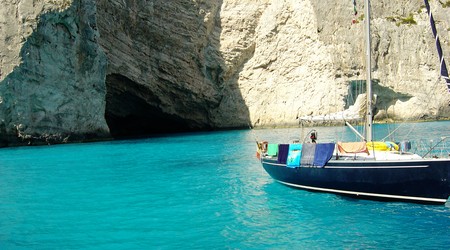
Great Barrier Reef, Australia

0 comments


Great Barrier Reef, Australia: A Complete Travel Guide to the World’s Largest Coral Ecosystem

Stretching over 2,300 kilometers off the northeast coast of Queensland, Australia, the Great Barrier Reef is the largest coral reef system in the world. Recognized as one of the Seven Natural Wonders of the World and a UNESCO World Heritage site, it comprises nearly 3,000 individual reefs, 900 islands, and an astonishing array of marine biodiversity.

This underwater paradise is not only a mecca for snorkelers, scuba divers, and marine scientists, but also a bucket-list destination for eco-tourists and nature lovers. In this in-depth guide, discover everything you need to know about visiting the Great Barrier Reef—from how to get there and the best places to stay, to top tours, snorkeling spots, and environmental tips.


Why Visit the Great Barrier Reef?

Whether you're looking to swim with sea turtles, glide over colorful coral gardens, or simply admire nature’s underwater masterpiece, the Great Barrier Reef offers a once-in-a-lifetime experience.

Highlights include:

  • Incredible marine biodiversity with over 1,500 fish species, 400 types of coral, and countless marine mammals
  • World-class snorkeling and diving sites suitable for beginners and professionals
  • Scenic boat tours, glass-bottom vessels, helicopter rides, and liveaboard experiences
  • Eco-friendly tourism options that support reef conservation
  • Opportunities to explore tropical islands like Hamilton Island, Lizard Island, and Fitzroy Island

Where is the Great Barrier Reef?

The Great Barrier Reef spans the Coral Sea, along the northeast coast of Queensland, Australia. It runs parallel to the coastline, starting from Cape York Peninsula in the north down to Bundaberg in the south.

Key Gateway Cities:

  • Cairns – The most popular access point with abundant reef tour options
  • Port Douglas – Offers upscale reef experiences and fewer crowds
  • Airlie Beach – Gateway to the Whitsunday Islands
  • Townsville – Known for its proximity to Magnetic Island and less tourist-heavy diving spots

Best Time to Visit the Great Barrier Reef

Best Months: June to October

  • Clear water visibility
  • Comfortable temperatures (20–26°C)
  • Dry season with little rainfall
  • Perfect for diving, snorkeling, and boat tours

Summer (November to March):

  • Warmer waters (26–30°C) but more rainfall and potential stingers (jellyfish)
  • Still great for diving—just wear a protective stinger suit

Coral Spawning: November

An extraordinary natural event where coral simultaneously releases eggs and sperm into the water—spectacular for night divers.


How to Get to the Great Barrier Reef

By Air:

  • Cairns International Airport (CNS) – The main hub with domestic and limited international connections
  • Hamilton Island Airport (HTI) – Direct flights from major Australian cities
  • Proserpine (Whitsundays) and Townsville Airports – Great alternatives for southern reef access

From the City to the Reef:

  • Boat tours (half-day to multi-day)
  • Helicopter or seaplane rides
  • Liveaboard dive vessels for extended reef trips

Best Ways to Experience the Great Barrier Reef

1. Snorkeling

The most accessible way to experience the reef. Ideal for all ages and skill levels, with guided tours offering gear and marine interpretation.

Top Snorkeling Spots:

  • Green Island and Fitzroy Island (Cairns)
  • Agincourt Reef (Port Douglas)
  • Hardy Reef and Whitehaven Beach (Whitsundays)
  • Lady Elliot Island (southern reef with abundant wildlife)

2. Scuba Diving

Certified divers can explore coral walls, shipwrecks, and deep-sea trenches. Introductory dives are also available with no prior certification.

Notable Dive Sites:

  • Cod Hole – Famous for giant potato cod
  • Osprey Reef – Remote, deep-water diving with sharks and pelagics
  • SS Yongala Wreck – One of the world’s best wreck dives near Townsville
  • Ribbon Reefs – Remote, pristine coral walls perfect for multi-day liveaboards

3. Glass-Bottom Boat and Semi-Submersible Tours

Great for families and non-swimmers who still want to marvel at the coral and fish below.


4. Helicopter and Seaplane Flights

Aerial tours provide breathtaking views of heart-shaped coral formations and reef patterns, especially popular over the Heart Reef in the Whitsundays.


5. Island Hopping

Visit tropical islands that offer private beaches, hiking trails, and fringing reefs accessible directly from shore.

Popular Islands to Visit:

  • Green Island – Family-friendly with snorkeling and rainforest walks
  • Lizard Island – Luxury resort and top diving access
  • Fitzroy Island – Great for kayaking, hiking, and snorkeling
  • Hamilton Island – Upscale accommodations with full amenities
  • Lady Elliot Island – Known for manta rays and turtles

Accommodations Near the Reef

Luxury Resorts:

  • Qualia, Hamilton Island – Secluded and upscale
  • Lizard Island Resort – All-inclusive luxury with direct reef access
  • Crystalbrook Riley, Cairns – Eco-luxury in the heart of the city

Mid-Range Options:

  • Shantara Resort, Port Douglas – Adults-only tranquility
  • Mantra Trilogy, Cairns – Convenient and comfortable
  • Reef View Hotel, Hamilton Island – Spacious rooms with Coral Sea views

Budget-Friendly:

  • Gilligan’s Backpackers, Cairns – Social and well-located
  • YHA Airlie Beach – Great for young travelers
  • Camping on Fitzroy or Lady Musgrave Island – Budget meets adventure

Reef-Friendly Travel Tips

Protecting the Reef While You Explore:

  • Use reef-safe sunscreen (zinc-based, no oxybenzone or octinoxate)
  • Never touch or stand on coral—it’s alive and fragile
  • Don’t feed or chase marine animals
  • Choose eco-certified tour operators (look for the Ecotourism Australia logo)
  • Support local Indigenous-led tours to learn about traditional reef knowledge

Wildlife to Spot on the Reef

The Great Barrier Reef is teeming with vibrant and exotic marine life:

  • Sea turtles – Green, hawksbill, loggerhead
  • Clownfish – Like “Nemo” among sea anemones
  • Parrotfish, wrasses, and reef sharks
  • Manta rays and eagle rays
  • Humpback whales (June–October, mostly in the Whitsundays)
  • Dugongs – Rare sightings near shallow seagrass beds

Cultural Significance

The Great Barrier Reef is culturally significant to Aboriginal and Torres Strait Islander Peoples, who have lived in harmony with this ecosystem for over 60,000 years. Many reef tours now include Indigenous perspectives, Dreamtime stories, and traditional ecological knowledge.

Top Cultural Experiences:

  • Dreamtime Dive & Snorkel (Cairns) – Indigenous-owned tour with cultural interpretation
  • Walkabout Cultural Adventures – Guided land and reef tours near Port Douglas

Sample Itinerary: 3 Days on the Reef

Day 1: Cairns Arrival & Island Snorkeling

  • Morning: Ferry to Green Island or Fitzroy Island
  • Afternoon: Snorkel or glass-bottom boat
  • Evening: Dinner on Cairns Esplanade

Day 2: Full-Day Outer Reef Tour

  • 8 AM: Boat to Agincourt or Saxon Reef
  • Snorkel or dive with marine biologist guide
  • Helicopter ride back (optional)
  • Sunset drinks at Salt House

Day 3: Cultural & Eco Experience

  • Join Dreamtime Dive or Daintree Rainforest combo tour
  • Learn about Indigenous heritage and reef conservation
  • Fly or drive to next destination

Final Thoughts

The Great Barrier Reef is not only one of the most biologically rich ecosystems on Earth but also one of the most accessible natural wonders to explore. Whether you're a marine biology enthusiast, a honeymooner, a family traveler, or simply seeking nature’s most jaw-dropping landscapes, the reef delivers an unforgettable adventure.

With responsible tourism and conservation efforts, you can experience its magic while helping preserve it for future generations.

Antelope Canyon, Arizona, USA

0 comments


Antelope Canyon, Arizona: A Complete Travel Guide to the Iconic Slot Canyons of the Southwest

Tucked away in the sun-drenched desert of northern Arizona, Antelope Canyon is one of the most visually stunning and most photographed natural wonders in the United States. Known for its wave-like formations, light beams, and vibrant red sandstone walls, Antelope Canyon is a must-visit for photographers, adventurers, and nature lovers alike.

Carved over thousands of years by flash flooding and erosion, the canyon offers a magical experience for anyone who steps into its winding passageways. In this guide, you’ll discover everything you need to know about visiting Antelope Canyon, including its history, the difference between Upper and Lower Antelope Canyon, how to book a tour, and the best time to go.


Why Visit Antelope Canyon?

Antelope Canyon is a slot canyon, which means it's a narrow gorge formed by water cutting through sandstone over time. Located near the town of Page, Arizona, within the Navajo Nation, the canyon is divided into two separate sections: Upper Antelope Canyon (The Crack) and Lower Antelope Canyon (The Corkscrew).

Travelers visit Antelope Canyon for:

  • Unreal geological formations created by centuries of erosion
  • Striking photography, especially during the famous sunbeam hours
  • Guided tours that explore Navajo history and local stories
  • Accessibility from nearby attractions like Horseshoe Bend, Lake Powell, and Grand Canyon

This natural marvel is both spiritually moving and visually unforgettable.


Upper vs. Lower Antelope Canyon: What’s the Difference?

Choosing between Upper and Lower Antelope Canyon is often the first decision for travelers. Both are incredible, but they offer different experiences:

Upper Antelope Canyon:

  • Easier access – Flat ground, no stairs
  • Narrower, darker, more dramatic lighting
  • Famous light beams occur between 10 AM – 12 PM (March to October)
  • More crowded due to accessibility and popularity

Lower Antelope Canyon:

  • Less crowded (though still busy)
  • Longer and deeper walk-through
  • Requires descending metal stairs and navigating tight turns
  • Better for those seeking adventure and more photo opportunities without the light beam crowd

Tip: Many travelers choose to visit both for a complete experience.


Best Time to Visit Antelope Canyon

Best Months:

  • March through October – Ideal for photography and light beams
  • Summer (June–August) – Peak for light beams but can be hot and crowded
  • Spring and Fall (April–May, September–October) – Cooler temperatures, good lighting

Best Time of Day:

  • 10 AM to 12 PM – This is when the famous sunbeams shine down into Upper Antelope Canyon, creating magical effects

Avoid:

  • Rainy seasons (especially July and August) due to flash flood risk. Tours may be canceled for safety.

How to Get to Antelope Canyon

Antelope Canyon is located just east of Page, Arizona, near the border of Utah.

Nearest Airport:

  • Page Municipal Airport (PGA) – Small, limited flights
  • Flagstaff Pulliam Airport (FLG) – 2.5-hour drive
  • Phoenix Sky Harbor International Airport (PHX) – 4.5-hour drive
  • Las Vegas McCarran Airport (LAS) – 4.5–5-hour drive

Driving Directions:

Most visitors rent a car and drive to Page. The area is remote, but highways are well maintained.

Tourist Tip:

Combine your visit with nearby attractions like Horseshoe Bend (5 mins), Lake Powell (10 mins), or Grand Canyon South Rim (2.5 hrs).


Do You Need a Tour for Antelope Canyon?

Yes. Since Antelope Canyon lies on Navajo land, you must book a guided tour with a certified operator. Self-guided access is not permitted.

Popular Tour Companies:

  • Antelope Canyon Navajo Tours (Upper Canyon)
  • Ken’s Tours (Lower Canyon)
  • Antelope Canyon X by Taadidiin Tours
  • Dixie Ellis' Lower Antelope Canyon Tours

Pro Tip: Book well in advance, especially in summer or during peak light beam season.


What to Expect on a Tour

  • Duration: 1 to 1.5 hours
  • Group size: Varies by tour operator; smaller groups cost more
  • Photography: Allowed, but tripods and monopods are often banned in regular tours
  • Difficulty:
    • Upper Antelope: Easy and flat
    • Lower Antelope: Moderate with stairs, tight spaces

Photography Tips

Capturing the true beauty of Antelope Canyon can be tricky due to lighting and narrow spaces.

  • Use a wide-angle lens for dramatic perspectives
  • Avoid using flash, as it flattens the textures
  • For best lighting, go during mid-day hours
  • Adjust ISO and aperture to balance low-light conditions
  • Don’t rush – Guides allow time to take photos at key points

What to Bring

  • Comfortable walking shoes (closed-toe preferred)
  • Water bottle (hydration is essential in the desert)
  • Hat and sunscreen
  • Camera or smartphone
  • Small backpack (avoid large bags)
  • Lightweight clothing (layers for spring/fall)

Note: During summer, temperatures can exceed 100°F (38°C). Shade in the canyon helps, but be prepared.


Safety & Flash Flood Risk

Antelope Canyon is prone to flash flooding, especially during the monsoon season. Tours are monitored by weather authorities, and guides will cancel trips if there's a risk.

Always follow guide instructions, stay within marked paths, and respect nature.


Other Slot Canyons Near Antelope Canyon

If you’re craving more adventure or want to skip the crowds, consider these nearby alternatives:

  • Canyon X – A quieter, less commercial slot canyon experience
  • Waterholes Canyon – Requires a permit and guide; more rugged and natural
  • Buckskin Gulch – One of the longest slot canyons in the world (near Kanab, Utah)

Where to Stay in Page, Arizona

Page offers various accommodations for different budgets.

Luxury:

  • Hyatt Place Page/Lake Powell – Great views and modern rooms
  • Lake Powell Resort – Located near the lake with stunning scenery

Mid-Range:

  • Holiday Inn Express Page
  • Best Western View of Lake Powell Hotel

Budget:

  • Quality Inn at Lake Powell
  • Motel 6 Page

Camping Options: Wahweap Campground near Lake Powell is a popular option for RVs and tents.


Dining Options in Page

While Page is a small town, it has a variety of food options:

  • Big John’s Texas BBQ – Hearty BBQ with live music
  • Fiesta Mexicana – Tasty and authentic Mexican cuisine
  • Blue Buddha Sushi Lounge – Fusion menu and great for a unique night out
  • El Tapatio – Local favorite for casual dining

Cultural Respect & Responsible Tourism

Antelope Canyon is part of Navajo Nation tribal land, and visitors are guests in this sacred area.

Please:

  • Respect your guide’s instructions
  • Do not deface or touch the sandstone walls
  • Avoid littering or removing rocks/sand
  • Support local Navajo businesses and artists

Your mindful visit helps preserve this natural wonder for generations to come.


Sample Itinerary for a Day in Page

Morning:

  • Early tour of Upper Antelope Canyon
  • Visit Horseshoe Bend for a short hike and epic photos

Afternoon:

  • Lunch in Page
  • Explore Lake Powell or take a boat tour to Rainbow Bridge

Evening:

  • Dinner at a local restaurant
  • Catch sunset views from Glen Canyon Dam Overlook

Final Thoughts

Antelope Canyon is more than just a photo op—it’s a geological masterpiece and a spiritual place steeped in Navajo heritage. With its dramatic red walls, sunlit curves, and serene silence, it offers one of the most surreal experiences in the American Southwest.

Whether you're visiting to capture the perfect shot, explore a natural wonder, or immerse yourself in Indigenous culture, Antelope Canyon will leave a lasting impression.

Bora Bora, French Polynesia

0 comments


Bora Bora, French Polynesia: A Complete Travel Guide to the Ultimate Island Escape

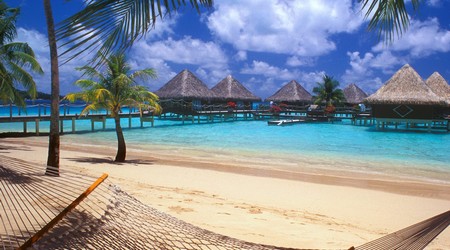
Tucked away in the heart of the South Pacific, Bora Bora is the crown jewel of French Polynesia. With its crystal-clear turquoise lagoons, iconic overwater bungalows, and vibrant coral reefs, Bora Bora is more than just a destination—it’s a dream. Known as one of the most romantic places on earth, this island paradise is perfect for honeymoons, luxury vacations, and once-in-a-lifetime adventures.

In this detailed travel guide, we’ll explore everything you need to know about planning your Bora Bora getaway—from top attractions and activities to travel tips, accommodation options, and the best times to visit.


Why Visit Bora Bora?

Bora Bora is not your typical beach destination. It's a volcanic island surrounded by a lagoon and barrier reef, offering striking natural beauty and a peaceful, secluded atmosphere. Whether you're lounging on white-sand beaches, snorkeling with rays, or enjoying a candlelit dinner in your overwater bungalow, every moment here feels surreal.

Top reasons to visit Bora Bora:

  • Stunning lagoon and coral reef system perfect for diving and snorkeling
  • Luxurious overwater villas and beachfront resorts
  • World-class service and Polynesian hospitality
  • Unique marine life, including blacktip reef sharks, manta rays, and colorful fish
  • Ideal location for romantic getaways, honeymoons, and private escapes

Where is Bora Bora?

Bora Bora is located in the Leeward Islands of French Polynesia, about 230 kilometers northwest of Tahiti. The island is part of an extinct volcano surrounded by a lagoon and motus (small islets).


Best Time to Visit Bora Bora

The best time to visit Bora Bora depends on what you're looking for—perfect weather or fewer crowds.

High Season (May to October):

  • Dry season with sunny skies and low humidity
  • Ideal for beach days, snorkeling, and diving
  • Higher prices and more tourists
  • Best for honeymoons and special occasions

Low Season (November to April):

  • Wet season with occasional showers and higher humidity
  • Fewer crowds and lower hotel rates
  • Good for travelers looking for deals and a quieter experience

Best Overall Months: May, June, and September

These months strike a great balance between pleasant weather and fewer tourists.


How to Get to Bora Bora

By Air:

The main entry point is Faa'a International Airport (PPT) in Papeete, Tahiti. From there, you take a 45-minute domestic flight with Air Tahiti to Bora Bora Airport (BOB), located on a small islet (Motu Mute).

Getting to Your Resort:

Most resorts provide private boat transfers from the airport to your accommodation. These are usually included in your booking or available at an extra cost.


Top Things to Do in Bora Bora

1. Stay in an Overwater Bungalow

This is a must-do when visiting Bora Bora. Resorts like the Four Seasons, St. Regis, and InterContinental offer luxurious bungalows with direct lagoon access, glass floors, and incredible views of Mount Otemanu.


2. Snorkeling and Scuba Diving

Bora Bora is a paradise for underwater lovers. Explore coral gardens, manta ray cleaning stations, and shark-filled lagoons.

Top spots:

  • Coral Garden
  • Anau Lagoon (Manta rays)
  • Tapu and Toopua dive sites

3. Shark and Ray Feeding Excursion

Take a guided boat tour where you can swim with blacktip reef sharks and stingrays in shallow, clear waters. It’s thrilling, safe, and unforgettable.


4. Lagoon Cruise

Enjoy a private catamaran or glass-bottom boat cruise to explore the vibrant lagoon. Many include snorkeling, champagne, and even sunset dinner options.


5. Mount Otemanu Hiking or Helicopter Tour

Mount Otemanu is a jagged volcanic peak in the center of the island. While full hiking is limited, you can take 4x4 tours or see it from above on a helicopter tour for jaw-dropping views.


6. Jet Ski and Paddleboard Adventures

Explore Bora Bora’s lagoon at high speed with a jet ski tour or go low-key with a paddleboard rental from your resort.


7. Matira Beach

This is Bora Bora's only public beach, famous for its soft white sand, shallow water, and stunning sunsets. It’s also one of the best spots for a romantic picnic or swim.


8. Polynesian Cultural Experience

Attend a traditional Tahitian dance show, learn how to make pareo wraps, or join a coconut-husking demonstration. Resorts and local villages offer immersive cultural activities.


9. Romantic Dinners and Sunset Cruises

Book a private beachfront dinner or a sunset cruise with champagne for an unforgettable evening.


10. Spa and Wellness

Many luxury resorts offer spa treatments using local oils and tropical ingredients. Enjoy a massage with lagoon views, or relax in a treatment room over the water.


Where to Stay in Bora Bora

Bora Bora is all about luxury, but there are also mid-range and boutique options.

Luxury Resorts

  • Four Seasons Resort Bora Bora – Iconic overwater bungalows, world-class service, great for honeymoons
  • St. Regis Bora Bora Resort – The largest overwater villas in the South Pacific
  • Conrad Bora Bora Nui – Set on a private motu with panoramic views

Mid-Range

  • Le Bora Bora by Pearl Resorts – Beautiful beachfront and garden villas
  • Hotel Maitai Polynesia Bora Bora – Great value with overwater and garden bungalows

Budget Options

  • Village Temanuata – Budget-friendly, near Matira Beach
  • Airbnb & Guesthouses – Look for stays on Bora Bora’s main island for more affordable lodging

What to Eat in Bora Bora

Bora Bora offers a mix of Polynesian and French cuisine, often using fresh seafood, tropical fruits, and local spices.

Must-try dishes:

  • Poisson cru – Raw fish marinated in lime juice and coconut milk
  • Mahi mahi with vanilla sauce
  • Breadfruit chips
  • Tropical fruit plates with papaya, pineapple, and mango

Top restaurants:

  • Bloody Mary’s – Famous for its celebrity guest list and fresh seafood
  • St. James – Oceanfront dining with a creative French-Polynesian menu
  • La Villa Mahana – Intimate fine dining experience (reservations essential)

Bora Bora Travel Tips

  • Currency: French Pacific Franc (XPF)
  • Language: French and Tahitian; English is widely spoken in resorts
  • Wi-Fi: Available at most resorts, but can be slow on the main island
  • Transportation: Most resorts are accessible only by boat; rent bikes or small cars on the main island
  • Packing Essentials: Reef-safe sunscreen, flip-flops, light clothing, snorkeling gear, insect repellent

Sustainability & Responsible Tourism

Preserving Bora Bora’s natural beauty is critical. When visiting, aim to:

  • Use reef-safe sunscreen to protect marine life
  • Respect coral reefs—never touch or stand on them
  • Support local businesses and eco-friendly tours
  • Minimize plastic waste by carrying reusable water bottles and bags

Final Thoughts

A trip to Bora Bora is like stepping into a postcard. From the moment you land, you’ll be surrounded by turquoise lagoons, vibrant coral reefs, and the unmatched serenity of island life. Whether you're indulging in luxury at a five-star resort, exploring underwater wonders, or soaking up Polynesian culture, Bora Bora delivers the ultimate island escape.

Whether it's your honeymoon, an anniversary, or simply a break from the ordinary, Bora Bora will leave you enchanted and longing to return.

Amalfi Coast, Italy

0 comments


Amalfi Coast, Italy: Your Ultimate Travel Guide to Cliffside Charm and Mediterranean Magic

The Amalfi Coast is one of the most breathtaking coastal destinations in the world. Located in southern Italy, this 50-kilometer stretch of rugged shoreline along the Sorrentine Peninsula is known for its stunning cliffside villages, crystal-clear Mediterranean waters, and picturesque coastal drives. Whether you're a culture lover, a beachgoer, or a food enthusiast, the Amalfi Coast offers a unique blend of natural beauty and rich Italian tradition.

In this comprehensive travel guide, we’ll explore everything you need to know about visiting the Amalfi Coast: top attractions, best villages to visit, where to stay, when to go, and tips for getting around. If you're planning a trip to Italy, this destination deserves a spot at the top of your list.


Why Visit the Amalfi Coast?

The Amalfi Coast is a UNESCO World Heritage site, famous for its dramatic landscapes and charming villages that seem to cascade into the sea. Tourists flock here for many reasons:

  • Scenic coastal roads, especially the SS163, known as one of the most beautiful drives in the world.
  • Iconic towns like Positano, Amalfi, and Ravello, each offering unique experiences.
  • Local cuisine featuring fresh seafood, handmade pasta, and world-famous limoncello.
  • Historical and cultural landmarks, from ancient churches to cliffside villas and gardens.
  • Outdoor adventures, including hiking trails like the Path of the Gods (Sentiero degli Dei).

Whether you're visiting for relaxation or exploration, the Amalfi Coast delivers a travel experience that’s both romantic and unforgettable.


Top Villages to Explore

1. Positano – The Jewel of the Amalfi Coast

Positano is arguably the most iconic and photographed town on the coast. Its pastel-colored houses are stacked vertically on the cliffs, offering stunning views at every turn. Visit Spiaggia Grande (main beach), explore boutique shops, and dine at seaside restaurants with unforgettable views.

Must-see: Church of Santa Maria Assunta, Fornillo Beach, Path of the Gods hike.


2. Amalfi – A Historic Maritime Hub

The town of Amalfi was once a powerful maritime republic. Today, it’s known for its stunning Duomo di Amalfi, beautiful piazzas, and charming alleyways. Don’t forget to try the local sfogliatella pastry.

Must-see: Amalfi Cathedral, Paper Museum, Cloister of Paradise.


3. Ravello – Romantic Gardens and Music

Set high above the coast, Ravello offers a peaceful escape with panoramic views. It's known for its historic villas, lush gardens, and music festivals.

Must-see: Villa Cimbrone, Villa Rufolo, Ravello Festival (summer).


4. Praiano – A Quiet, Scenic Gem

Less touristy than Positano or Amalfi, Praiano offers a more laid-back atmosphere. It's ideal for couples or travelers looking to unwind in a serene setting.

Must-see: Marina di Praia beach, Church of San Gennaro, sunset views from Africana Lounge.


5. Minori and Maiori – Family-Friendly Vibes

These neighboring towns are great for travelers who want a quieter stay with more beach space. They’re also more budget-friendly.

Must-see: Villa Romana in Minori, Maiori’s long beach promenade.


Best Things to Do on the Amalfi Coast

1. Drive the Amalfi Coast Road

The scenic SS163 highway connects the main coastal towns and is considered one of the most beautiful drives in Europe. If you’re confident driving in tight spaces with sharp curves, rent a car for the ultimate experience.


2. Take a Boat Tour

Explore hidden coves, sea caves, and nearby islands like Capri or Li Galli. Boat rentals and guided tours depart daily from most towns.


3. Hike the Path of the Gods (Sentiero degli Dei)

This popular trail offers sweeping views of the coastline and countryside. It runs between Bomerano and Nocelle and takes about 2–3 hours to complete.


4. Taste the Local Cuisine

Try dishes like scialatielli ai frutti di mare (homemade seafood pasta), grilled octopus, and local cheeses. Don’t miss out on limoncello, made from Amalfi’s famous lemons.


5. Visit Capri or Sorrento

Capri, known for its glamorous shopping and the Blue Grotto, makes an excellent day trip. Sorrento is another great base for exploring Pompeii and Mount Vesuvius.


Best Time to Visit the Amalfi Coast

The best time to visit the Amalfi Coast is late spring (May–June) or early autumn (September–October). During these months, the weather is warm, the crowds are thinner, and prices are more manageable.

  • Summer (July–August): Peak season. Expect high prices, heavy crowds, and hot weather.
  • Spring (April–June): Ideal weather and blooming flowers.
  • Fall (September–October): Warm water, fewer tourists, and beautiful sunsets.
  • Winter (November–March): Quiet but many places close for the season.

Where to Stay on the Amalfi Coast

  • Luxury: Le Sirenuse (Positano), Belmond Hotel Caruso (Ravello)
  • Mid-range: Hotel Margherita (Praiano), Hotel Marina Riviera (Amalfi)
  • Budget: B&Bs in Minori or Maiori, hostels in Agerola

Booking in advance is essential during peak season. Consider your preferred vibe—vibrant and busy (Positano), historic and central (Amalfi), or quiet and local (Praiano/Minori).


Getting to and Around the Amalfi Coast

By Air:

The nearest airport is Naples International Airport (NAP). From Naples, you can take a train to Sorrento or Salerno, then a bus or ferry to the coast.

By Train:

Take the train to Salerno, then use buses, taxis, or ferries to reach coastal towns.

By Car:

Renting a car gives you flexibility, but parking is limited and expensive. Roads can be narrow and crowded.

By Ferry:

In the warmer months, ferries connect Positano, Amalfi, Salerno, and Capri. This is a scenic and stress-free way to travel between towns.


Travel Tips for the Amalfi Coast

  • Pack light: Many towns have lots of steps and narrow alleys.
  • Stay hydrated: The sun can be intense in summer.
  • Use ferries: They are often faster and more comfortable than buses.
  • Reserve restaurants and tours: Especially during high season.
  • Wear comfortable shoes: Exploring towns involves a lot of walking and stairs.

Final Thoughts

A trip to the Amalfi Coast is a journey into one of the most beautiful and romantic places in the world. With its colorful cliffside villages, azure sea views, and vibrant local culture, it's no wonder this region draws travelers from every corner of the globe. Whether you're wandering the flower-lined paths of Ravello or watching the sunset from Positano's beach, the Amalfi Coast promises a magical experience that stays with you long after you've left.

Machu Picchu, Peru

0 comments


Explore Machu Picchu, Peru: The Ancient Incan City Amidst Breathtaking Andes Views

High in the cloud-kissed peaks of the Andes Mountains, perched 2,430 meters (7,970 feet) above sea level, lies Machu Picchu—a stunning archaeological marvel and one of the most iconic travel destinations in the world. Known as the "Lost City of the Incas," Machu Picchu, Peru is a UNESCO World Heritage Site and one of the New Seven Wonders of the World. With its mystical beauty, complex architecture, and panoramic mountain vistas, it's no surprise that millions flock to this sacred site every year.

If you're dreaming of walking in the footsteps of the Incas, this comprehensive Machu Picchu travel guide covers everything from its fascinating history and best hiking routes to travel tips, ticket information, and the best time to visit.


The Mystical History of Machu Picchu

Constructed in the 15th century during the reign of the Inca emperor Pachacuti, Machu Picchu served as a royal estate, religious sanctuary, and astronomical observatory. It was mysteriously abandoned around the time of the Spanish conquest in the 16th century and remained unknown to the outside world until 1911, when American historian Hiram Bingham brought it to international attention.

Despite its remote location and centuries of concealment, Machu Picchu remains remarkably well-preserved, showcasing the ingenuity of Incan engineering. The site’s dry-stone construction, terraced slopes, temples, and astronomical alignments continue to awe scientists, historians, and spiritual seekers.


How to Get to Machu Picchu

There are multiple ways to reach Machu Picchu, depending on your travel style, schedule, and budget.

1. By Train (Most Popular and Comfortable)

Most travelers reach Machu Picchu via train from Cusco or the Sacred Valley to the town of Aguas Calientes (also known as Machu Picchu Pueblo).

  • Train Operators: PeruRail and Inca Rail
  • Routes: From Cusco (Poroy or San Pedro station) or Ollantaytambo
  • Duration: 3.5 to 4 hours
  • Experience: Offers panoramic windows, comfortable seating, and scenic views of the Urubamba River and Andean landscapes.

From Aguas Calientes, a 25-minute bus ride takes you up the winding mountain road to the Machu Picchu entrance.

2. By Hiking (Adventurous and Immersive)

Machu Picchu is also a premier trekking destination, offering several scenic and spiritual routes:

  • Inca Trail (4 Days): The most famous and regulated trail; must book months in advance.
  • Salkantay Trek (5 Days): A high-altitude, non-permitted alternative with snow-capped mountains and jungle.
  • Lares Trek (3–5 Days): A cultural hike through remote Andean villages.
  • Inca Jungle Trek (4 Days): Combines biking, rafting, hiking, and ziplining before reaching Machu Picchu.

Machu Picchu Site Overview: What to See Inside

Once inside Machu Picchu, you'll find an intricate city layout divided into urban and agricultural zones, connected by stone stairways and terraces. Must-see highlights include:

1. The Temple of the Sun

A sacred space used for astronomical observations. The temple is aligned with the June solstice, showcasing the Incas’ deep understanding of celestial movements.

2. The Intihuatana Stone

Known as the “Hitching Post of the Sun,” this carved rock likely served as a solar clock or ritual object. It’s considered one of the most spiritually powerful places in the city.

3. The Sacred Plaza

Home to several key structures, including the Main Temple and the Temple of the Three Windows—symbolizing the three Incan worlds: the underworld, the present, and the spiritual realm.

4. The Royal Tomb and Temple of the Condor

These areas feature stunning stone carvings and symbolic animal shapes that were central to Incan belief systems.

5. Agricultural Terraces

Ingeniously engineered to prevent erosion and allow farming at high altitudes, these terraces also add to Machu Picchu’s majestic appearance.


Additional Hikes Within Machu Picchu

If you're up for more adventure (and purchase separate permits), consider these additional hikes:

1. Huayna Picchu

  • The iconic mountain seen in most photos behind the site.
  • Steep climb with incredible panoramic views.
  • Limited to 200–300 people daily.
  • Duration: ~2 hours round trip.

2. Machu Picchu Mountain (Montaña)

  • Offers an elevated vantage point over the entire complex.
  • Less crowded and less steep than Huayna Picchu.
  • Duration: ~3 hours round trip.

3. Hike to the Sun Gate (Inti Punku)

  • The original entrance for Inca Trail hikers.
  • No extra ticket needed.
  • Duration: ~1.5–2 hours round trip from the main site.

Best Time to Visit Machu Picchu

Machu Picchu has a subtropical climate with two primary seasons:

  • Dry Season (April to October): Best time to visit. Clear skies, cooler temps, ideal for trekking and photography.
  • Wet Season (November to March): Fewer crowds and greener scenery, but rain can make trails muddy and slippery.

Peak months: June, July, and August—expect higher prices and book well in advance.


Machu Picchu Entrance Tickets and Regulations

To preserve the site, Peru enforces strict ticketing policies and time limits. Here's what you need to know:

Ticket Options:

  1. Machu Picchu Only
  2. Machu Picchu + Huayna Picchu
  3. Machu Picchu + Mountain (Montaña)
  4. Machu Picchu + Huchuy Picchu

Advance booking is essential, especially for combo tickets.

Entry Regulations:

  • Tickets are time-specific (morning, mid-day, afternoon).
  • Guided tours are encouraged but not mandatory.
  • No re-entry once you leave the site.
  • Drones, tripods, large bags, and food are prohibited.

Tips for Visiting Machu Picchu

  1. Acclimatize in Cusco: Spend 2–3 days in Cusco to adjust to altitude before visiting.
  2. Pack Light: Bring water, sunscreen, a hat, rain gear, and comfortable shoes.
  3. Respect the Site: Stay on paths, avoid touching ruins, and follow local guidelines.
  4. Get a Guide: Learn deeper stories about the Incas, architecture, and astronomy.
  5. Travel Insurance: Recommended for trekking or high-altitude travel.

Where to Stay Near Machu Picchu

Most visitors stay in Aguas Calientes, the base town below the ruins, or in Cusco before/after the trip.

In Aguas Calientes:

  • Budget: Supertramp Hostel, Casa Machu Picchu
  • Mid-range: El MaPi Hotel, Tierra Viva Machu Picchu
  • Luxury: Inkaterra Machu Picchu Pueblo, Sumaq Hotel

In Cusco:

  • Budget: Kokopelli Hostel, Pariwana
  • Mid-range: Antigua Casona San Blas
  • Luxury: Palacio del Inka, Belmond Monasterio

Combining Machu Picchu with Other Peru Attractions

Make the most of your Peru trip by adding these nearby destinations:

  • Sacred Valley: Explore Ollantaytambo, Pisac, and Maras salt mines.
  • Cusco: Ancient capital of the Inca Empire, rich in history, cuisine, and culture.
  • Rainbow Mountain: A stunning natural phenomenon—ideal for trekking lovers.
  • Lake Titicaca: World’s highest navigable lake, home to floating reed islands.
  • Amazon Rainforest: Combine history with biodiversity by visiting the Peruvian Amazon.

Final Thoughts: Why Machu Picchu Is a Must-Visit

Whether you’re a history buff, nature lover, spiritual seeker, or adventure traveler, Machu Picchu offers a life-changing experience. It’s more than an archaeological site—it’s a living testament to the Inca civilization’s mastery of nature, spirituality, and architecture. Standing amid the ruins as the morning mist lifts to reveal the soaring peaks of the Andes is nothing short of magical.

Visiting Machu Picchu, Peru, is a journey into the heart of one of the world’s most mystical and magnificent places. Prepare wisely, tread respectfully, and let the ancient wisdom of the Incas inspire you.

 
AURAATLAS © 2011 | Designed by Interline Cruises, in collaboration with Interline Discounts, Travel Tips and Movie Tickets